

Shockwave PC Software (officially known as Adobe Shockwave Player) is a classic multimedia web runtime engine created by Macromedia and later acquired by Adobe Systems. Designed during the formative years of interactive internet content, it allowed desktop web browsers to render rich 3D vector graphics, online browser games, interactive product demonstrations, and multi-user web applications. Built around files authored in Macromedia Director (.dcr), it delivered hardware-accelerated 3D graphics and complex scripting routines long before modern web standards like HTML5, WebGL, and WebAssembly emerged.
Operating as a browser NPAPI plugin and standalone desktop runtime engine, the software powered thousands of popular web portals, interactive educational software, and retro web games throughout the late 1990s and 2000s. It served game developers, digital artists, educational publishers, and web surfers who wanted interactive multimedia experiences directly inside Internet Explorer, Netscape, or early Mozilla Firefox builds.
Adobe officially discontinued Adobe Shockwave Player on April 9, 2019. The software is no longer updated, maintained, or supported by Adobe, and modern web browsers have removed support for browser NPAPI plugins. Today, it exists primarily as a legacy software platform preserved by digital archivists and retro gaming communities using specialized web emulation projects.
Key Features
The runtime platform incorporated advanced interactive graphics, scripting, and audio rendering engines for its era.
Macromedia Director DCR File Playback The primary function of the runtime engine was parsing and executing compiled .dcr (Director Compressed Resource) files. These files bundled graphics assets, digital audio tracks, custom fonts, and Lingo scripting commands into a compact format optimized for early broadband web streaming.
Advanced 3D Graphics Engine (Shockwave 3D) Unlike basic 2D animation plugins, the platform featured a hardware-accelerated 3D graphics engine. Powered by DirectX and OpenGL graphics pipelines, it rendered real-time 3D lighting, texture mapping, camera angles, and interactive physics for complex browser-based 3D games.
Your May Also Like :: PilotEdit Pro PC Software
Lingo Scripting Engine and Multi-User Server Integration The runtime executed Lingo, an object-oriented scripting language that gave creators fine control over sprite animation, user mouse inputs, and system memory. When paired with Shockwave Multiuser Server, developers created early online multiplayer games and chat rooms directly inside web browser windows.
Vector and Bitmap Asset Support The playback engine handled vector artwork, rasterized bitmap images, MP3 digital audio, and video streams simultaneously. Layering multiple media formats enabled developers to design animated interactive software suites without requiring massive installation downloads.
Hardware-Accelerated Audio and Physics Built-in sound channels supported multi-track audio playback, spatial audio pan controls, and low-latency sound triggering, providing atmospheric background music and sound effects for web games.
How Shockwave PC Software Works
The operational model follows a straight-line workflow from web page embed detection to local file rendering.
When a user navigated to a website hosting an embedded .dcr file, the web browser detected the Shockwave MIME type and loaded the local NPAPI plugin into browser memory.
Next, the plugin downloaded the compressed .dcr file from the host web server. The runtime engine unpacked the compiled graphics, audio tracks, and Lingo scripts into local system memory.
Finally, the runtime executed the Lingo scripting code and rendered graphics frames directly inside the browser window using local CPU hardware or GPU graphics drivers. User inputs (keyboard presses and mouse clicks) were processed live, providing real-time game control and interactive UI navigation.
Benefits and Limitations
Evaluating the software requires looking at its historical accomplishments alongside its modern operational boundaries.
Benefits
The main historical advantage was pioneering interactive 3D gaming and rich media inside standard web browsers long before modern HTML standards existed. Its low file size constraints encouraged efficient game design, enabling millions of web users to play rich 3D games on dial-up or early broadband connections. For digital preservationists, preserving compiled Shockwave files keeps early internet art and web game history accessible.
Limitations
The primary technical limitation is that the software is completely discontinued and unsupported. Modern 64-bit web browsers (Google Chrome, Microsoft Edge, Mozilla Firefox) removed support for NPAPI browser plugins, making the original installer unusable on modern web browsers. Furthermore, running legacy plugin software on modern Windows 10 or Windows 11 systems introduces significant unpatched cybersecurity vulnerabilities.
What's New
There are no current releases or feature updates for the official runtime engine.
Verified historical milestone facts include:
-
Final Adobe Update: The last official release build was Adobe Shockwave Player 12.3.5.205 prior to discontinuation.
-
Official Discontinuation Date: Adobe officially retired the software on April 9, 2019.
-
Transition to Open Archival Projects: Active preservation of legacy Director content has shifted away from native plugins to open-source web emulation frameworks like Project Flashpoint and Ruffle.
Installation and Setup
Attempting to run the legacy plugin on modern operating systems requires archived files and isolated virtual environments.
-
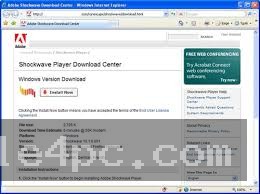
Adobe no longer hosts official download links for the software. Legacy installers (
Shockwave_Installer_Full.exe) must be retrieved from verified digital software archives. -
The legacy installer can be executed on older Windows systems (Windows 7, Vista, or XP) or within isolated virtual machines running legacy 32-bit browsers like Internet Explorer 11.
-
Once installed, the plugin registers
.dcrfile extensions to open locally or run inside supported 32-bit legacy browsers.
Security Warning: Do not install unpatched, discontinued browser plugins on your primary desktop web browser. Legacy runtime engines contain unpatched security flaws that expose host systems to malicious web exploits.
Tips for Using Shockwave PC Software
Use isolated web game preservation projects like Flashpoint Archive to play legacy games safely. Flashpoint bundles archived runtime engines inside a sandboxed local launcher, allowing users to play classic browser games without installing risky browser plugins on primary PCs.
Do not confuse Shockwave with Adobe Flash Player. While both were owned by Macromedia and Adobe, Shockwave ran compiled .dcr files created in Macromedia Director, whereas Flash rendered .swf files built in Adobe Flash Professional.
If you possess original .dcr media files from old CD-ROMs or web projects, use offline standalone projectors or open-source media preservation tools rather than web browser plugins to view the content offline.
Modern Alternatives
Because browser-native multimedia execution has evolved, modern web standards have replaced dedicated browser plugins entirely.
WebAssembly (Wasm) and WebGL are open, native web standards built directly into all modern web browsers. WebGL handles hardware-accelerated 2D and 3D graphics, while WebAssembly executes compiled high-performance code (C, C++, Rust) without requiring external plugins or security downloads.
Project Flashpoint is a massive, community-driven web game preservation project. It provides an offline launcher containing tens of thousands of archived browser games (including Flash, Shockwave, and Java applets) that run safely inside sandboxed local environments.
HTML5 Canvas and JavaScript form the foundation of modern web interactive media. Modern web browsers render video, audio, vector graphics, and interactive games natively without third-party browser add-ons.
Who Should Use Shockwave PC Software?
This legacy platform is primarily relevant for digital archivists, media historians, and retro gaming enthusiasts who want to preserve or play interactive web content created between 1995 and 2010.
However, modern web developers, game creators, and general computer users should avoid installing the legacy runtime on primary production machines, utilizing modern web standards like HTML5 and WebAssembly or sandboxed archival launchers instead.
FAQ
Is Shockwave PC Software still available for download?
Adobe officially retired the software on April 9, 2019, and removed official download pages. Legacy installers are preserved only on independent software archive sites.
What is the difference between Adobe Flash and Adobe Shockwave?
Flash relied on .swf files created in Macromedia Flash for lightweight 2D animations and vector graphics. Shockwave relied on .dcr files created in Macromedia Director, offering more powerful 3D graphics engines, complex Lingo scripting, and heavy multi-user server capabilities.
Can I run Shockwave games on Windows 11?
Modern browsers on Windows 11 do not support NPAPI plugins. To play legacy games on Windows 11, users must use sandboxed preservation software like Flashpoint Archive or run legacy browsers inside isolated virtual machines.
Is the software safe to install on modern PCs?
No. Because Adobe stopped releasing security patches in 2019, running legacy browser plugins on modern internet-connected computers poses significant security risks.
Conclusion
Shockwave PC Software holds a monumental place in internet history as a pioneer of interactive 3D web games, rich multimedia streaming, and browser-based entertainment. By bridging early desktop hardware with web browser plugins, it brought immersive interactive experiences to millions of web users during the early days of the internet.
While native browser plugins have been retired in favor of modern web standards like HTML5 and WebGL, its legacy lives on through dedicated web preservation projects. For retro gaming enthusiasts and web historians, preservation archives ensure that classic web games remain accessible in sandboxed environments.

💬 0 Comments
✍ Leave a Comment